Pentecost Sunday

From Pride to Fire: Two Paths Every Believer Must Choose
There is a question every believer should ask:
Am I moving closer to God, or slowly drifting away from Him?
A message centered on the lives of King Uzziah and the prophet Isaiah offers a striking contrast between two very different spiritual journeys. One ended in isolation and spiritual decline. The other led to transformation, purpose, and a fresh encounter with God.
The Tragedy of King Uzziah
King Uzziah started remarkably well. He became king at just sixteen years old and faithfully sought God. Scripture says that as long as he sought the Lord, God caused him to prosper. His leadership was blessed, his kingdom flourished, and he experienced success because he remained dependent on God.
But success can be dangerous when it causes us to forget the One who gave it.
Over time, Uzziah’s heart changed. Instead of remaining humble, he became self reliant. Eventually, he entered the temple to perform a duty reserved only for priests. When confronted by spiritual leaders who warned him to stop, he refused to listen. His response was anger rather than repentance. As a result, he was struck with leprosy and lived the rest of his life isolated from the house of God.
His story serves as a warning. Many believers begin their journey passionately, seeking God wholeheartedly. Yet life’s disappointments, successes, and challenges can slowly harden the heart. The danger is not always obvious rebellion. Sometimes it is simply trusting ourselves more than we trust God.
The Power of a Repentant Heart
In contrast, Isaiah’s story reveals a completely different response to God’s presence.
After Uzziah’s death, Isaiah received a vision of the Lord seated on His throne, surrounded by heavenly worship. Instead of feeling proud or accomplished, Isaiah became deeply aware of his own need for God.
His response was simple:
“Woe is me, for I am undone.”
This is one of the defining marks of a genuine encounter with God. The closer we come to His holiness, the more aware we become of our need for His grace.
True repentance is not about shame. It is about humility. It is recognizing that we cannot transform ourselves and that we desperately need God to work in our lives.
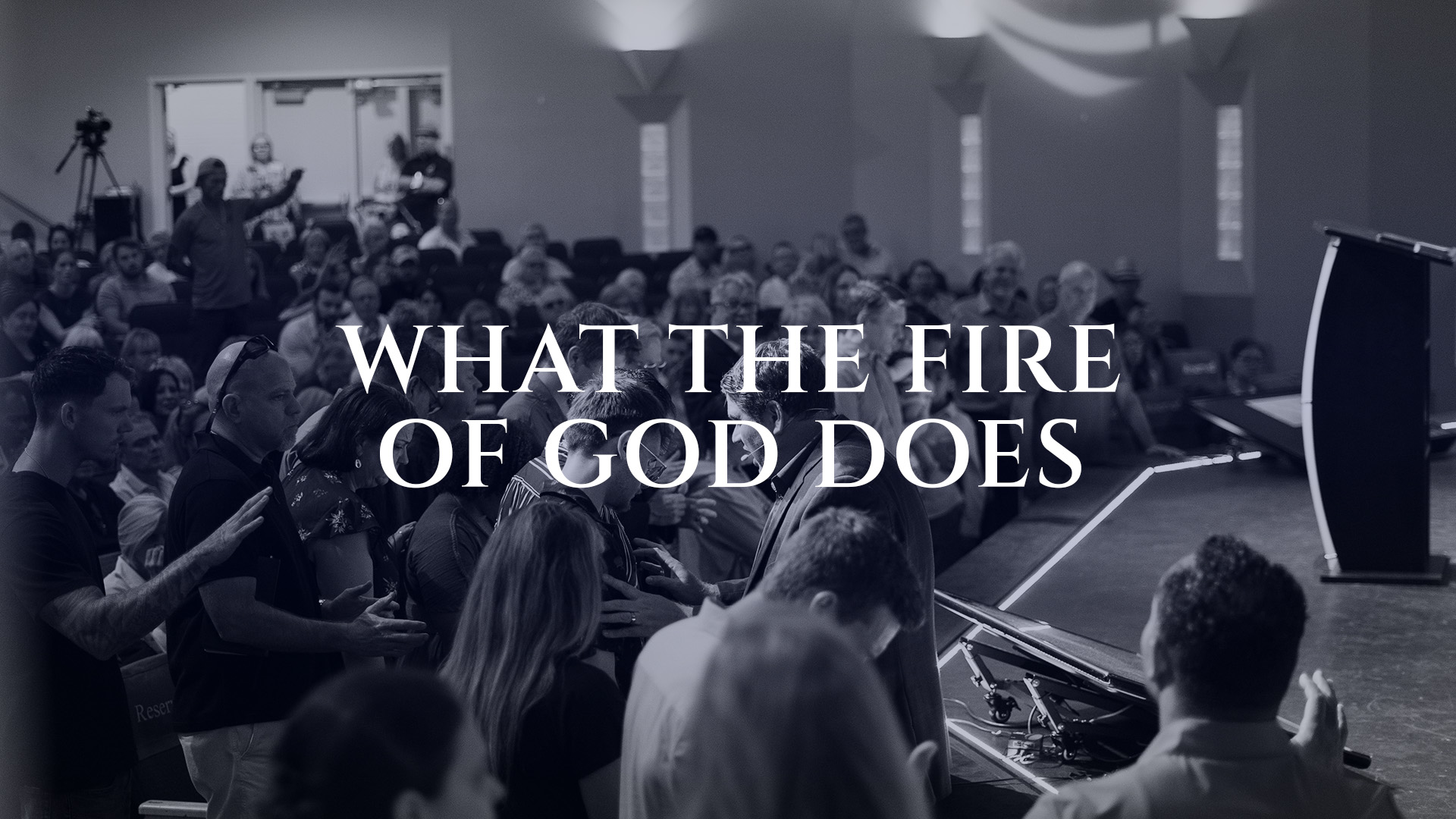
What the Fire of God Does
Isaiah’s story does not end there.
A seraph took a burning coal from God’s altar and touched Isaiah’s lips. The message was clear: his sin was forgiven and his iniquity removed.
This moment points to what God still desires to do in His people today.
1. The Fire Purifies
The first work of God’s fire is cleansing.
Just as precious metals are refined through intense heat, God uses His presence to remove what does not belong in our lives. Pride, bitterness, compromise, and spiritual apathy are burned away when we genuinely surrender to Him.
The goal is not punishment. The goal is transformation.
2. The Fire Produces Passion
Immediately after Isaiah was cleansed, God asked a question:
“Whom shall I send?”
Isaiah’s response was immediate:
“Here am I. Send me.”
A true encounter with God produces more than emotional experience. It creates hunger, purpose, and a willingness to serve.
Throughout history, revival has always been marked by people whose hearts were set on fire for God. They became willing to pray, serve, witness, and live boldly for His purposes.
3. The Fire Reveals Jesus
The Holy Spirit’s ultimate role is to reveal Christ.
Isaiah would go on to receive some of the clearest prophetic revelations about Jesus found anywhere in the Old Testament, including the famous passage describing the suffering Messiah in Isaiah 53.
When the Holy Spirit moves in a person’s life, their understanding of Jesus deepens. Scripture comes alive. Faith grows. What was once distant becomes personal and real.
A Choice for Every Believer
The message ultimately presents two paths.
One path resembles Uzziah. It is the path of self reliance, pride, and spiritual drift. It begins well but slowly moves away from dependence on God.
The other path resembles Isaiah. It is the path of humility, repentance, and surrender. It leads to cleansing, renewed passion, and a deeper revelation of Christ.
Pentecost reminds us that God’s fire is still available. His Spirit still transforms lives. His presence still changes hearts.
The question is not whether God is willing to move.
The question is whether we are willing to approach Him with the same posture Isaiah had:
“Here am I, Lord. Send me.”